Antioxidant defences in olive tree during drought stress: changes in activity of some antioxidant enzymes
Li X, Zhang X, Zhang M, Luo X, Zhang T, Liu X, Lu R, Zhang Y (2024) Environmental magnesium ion affects global gene expression, motility, biofilm formation and virulence of Vibrio parahaemolyticus

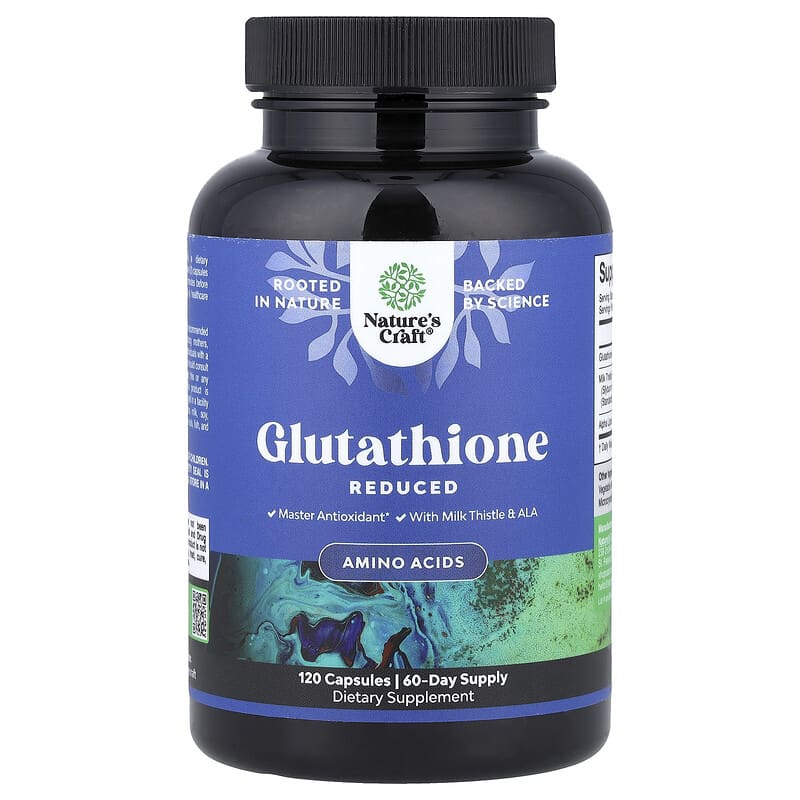
Many foods that are high in glutathione, sulfur, and other antioxidants have been linked to improved glutathione levels, such as ( 4 ): whey protein powder (high in cysteine) cruciferous vegetables (e.g., broccoli, cabbage, cauliflower, bok choy, Brussels sprouts) allium vegetables (e.g., garlic, onions, shallots) other fruits and vegetables (e.g., asparagus, avocado, cucumber, green beans, mango, papaya, spinach, and tomato) herbs and spices (e.g., curcumin from turmeric) green tea selenium-rich foods (e.g., Brazil nuts, beef, chicken, seafood, dairy products, and whole grains) vitamin C foods (e.g., bell peppers, papaya, mango, oranges, kiwi, Brussels sprouts, cabbage, cauliflower) omega-3s (e.g., fatty fish, omega-3 supplements ) While helpful, it's currently debated whether eating a diet rich in glutathione will significantly improve glutathione levels, since it's not completely absorbed through food

Alpha Lipoic Acid is one of the only antioxidants that is both, giving it access to virtually every tissue and cell compartment in the body.* This dual solubility makes ALA uniquely effective at supporting whole-body oxidative balance